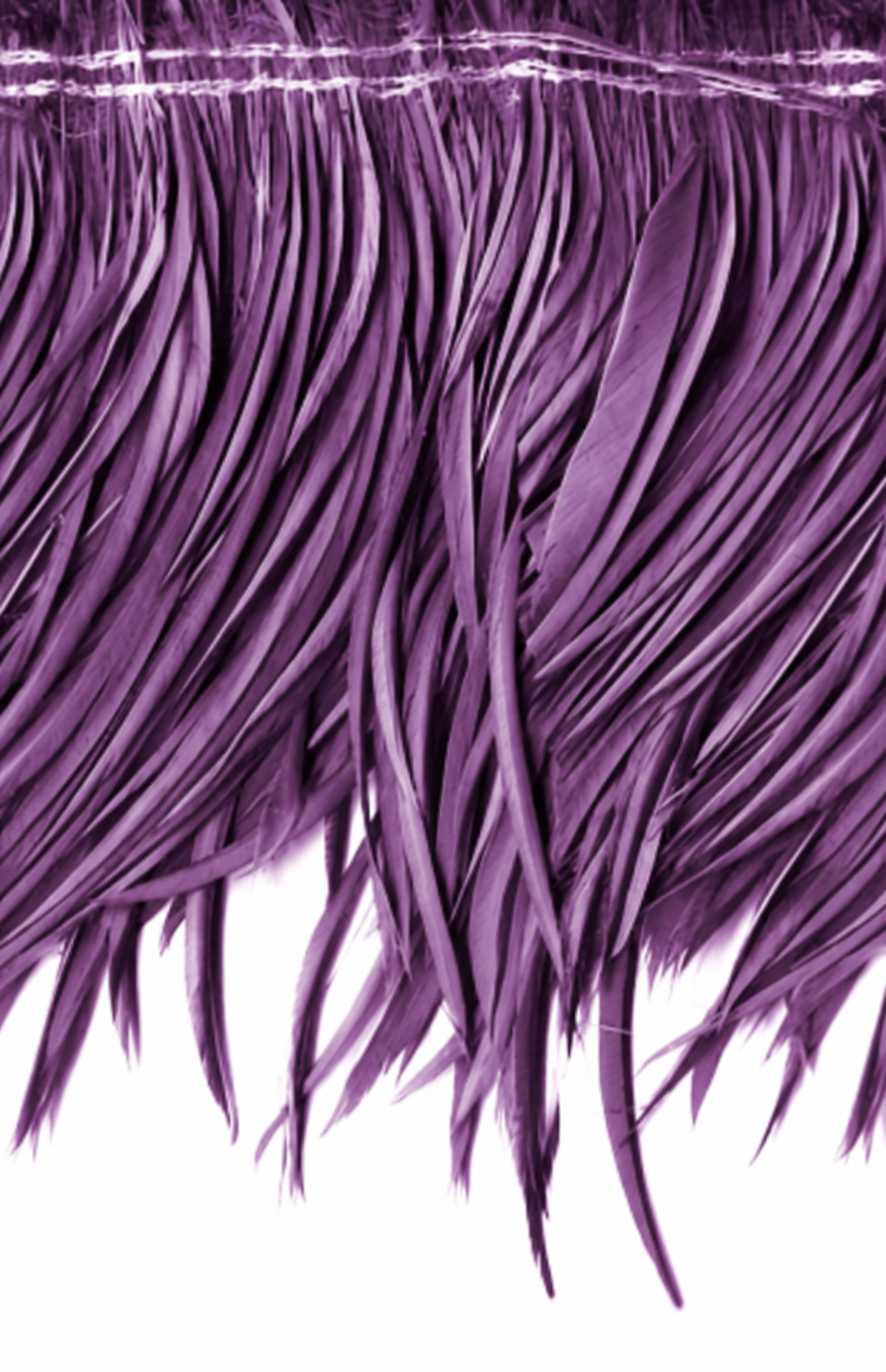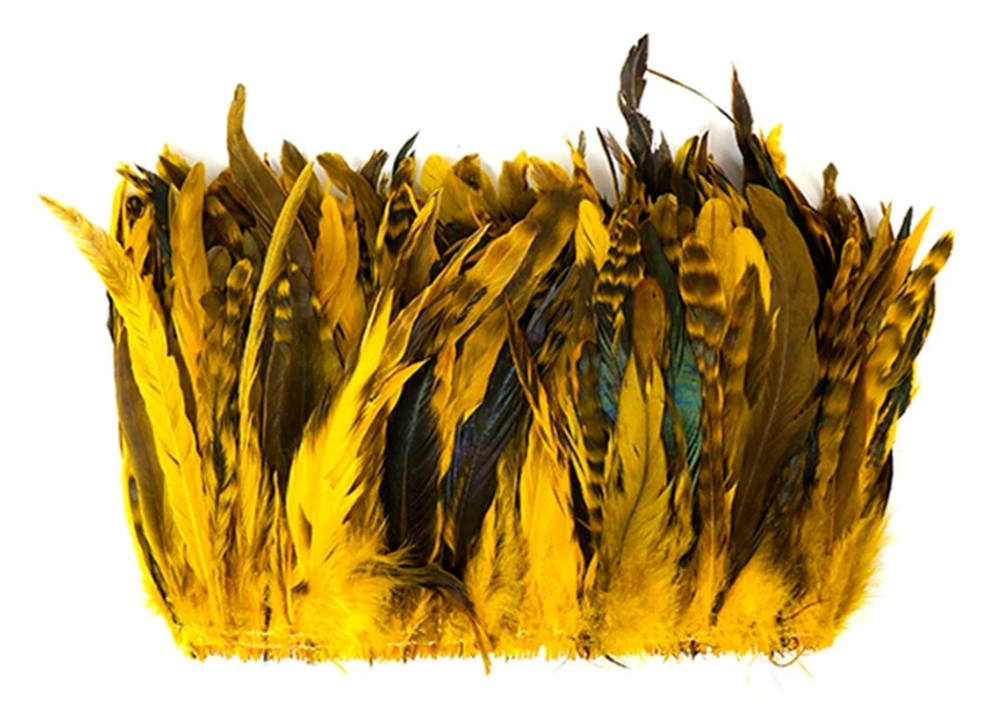
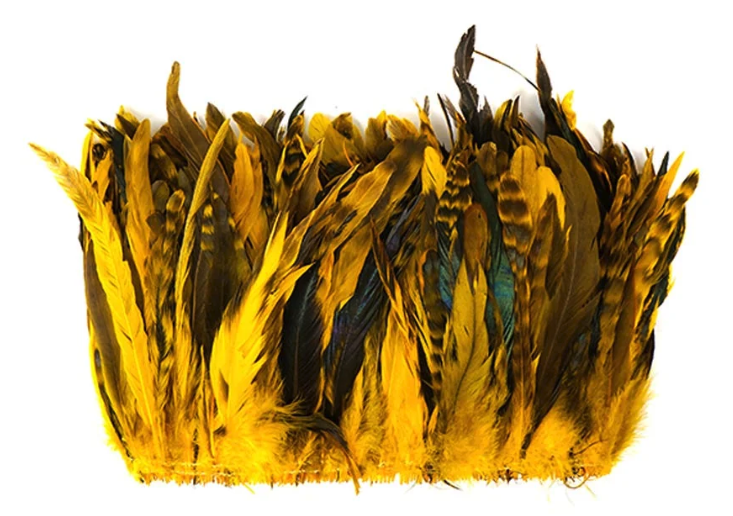
Marabou Brothers Rooster Coque Grey Striped Tails Strung 2" Strip is a convenient fly tying feather material featuring grey-and-black barred rooster coque fibers in an easy-to-use strung format. The natural striped pattern adds a realistic mottled look that works well for imitating baitfish tails, aquatic insect legs, nymph accents, wet fly hackle, and subtle movement on small to medium streamers.
Compared to soft marabou, rooster coque fibers offer more structure and durability while still giving flies natural motion in the water. The 2-inch strung strip format makes it easy to snip off clean sections, keep fibers aligned, and tie consistent tails, collars, legs, and barred accents without sorting through loose feathers.
Marabou Brothers Rooster Coque Grey Striped Tails are perfect when you want a feather material with both movement and definition. The dark transverse barring creates a natural grizzly-style look, while the slightly stiffer fibers help tails and collars hold their shape. We especially like it for streamer tails, leech patterns, wet flies, and nymph legs where a speckled, lifelike profile adds realism without adding bulky material.
Grey & Black Barred Pattern
Natural-looking stripes add contrast, segmentation, and baitfish-style marking to fly patterns.
Strung 2" Strip Format
Easy to snip, measure, and tie in clean sections while keeping fibers organized and aligned.
Stiffer Rooster Coque Fibers
Provides more structure than marabou while still offering movement, pulse, and durability in the water.
Excellent for Tails, Legs & Collars
Use for streamer tails, wet fly hackle, nymph legs, leech accents, collars, and barred movement details.
Great Natural Accent Material
Adds mottled texture and realistic markings to trout, bass, panfish, steelhead, and warmwater flies.
Marabou Brothers Rooster Coque Grey Striped Tails are ideal for tying:
Measure the section you need before cutting from the strung base. Snipping a clean section helps keep the fibers aligned and makes it easier to tie matched tails, legs, or barred accents.
For tails, secure the clipped fibers with firm pinch-wraps to prevent them from rolling around the hook shank. Keeping the material on top of the shank helps create a balanced, centered profile.
To reduce bulk, strip a few fibers away from the tie-in point before securing the section. This creates a smoother transition and keeps heads, collars, and small nymph bodies clean.
For collars or hackle-style wraps, use sparse amounts and stroke the fibers rearward as you tie. A lighter application often gives better movement and keeps the barred pattern visible in the finished fly.