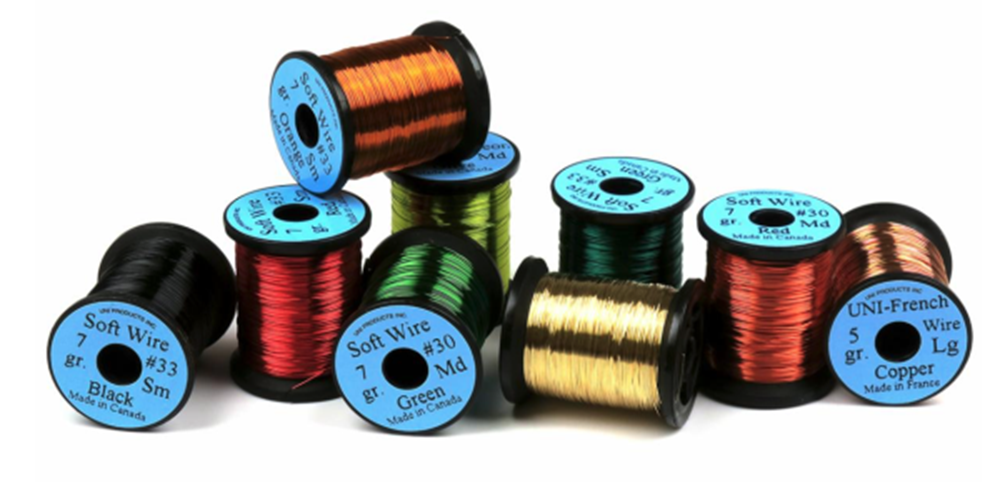
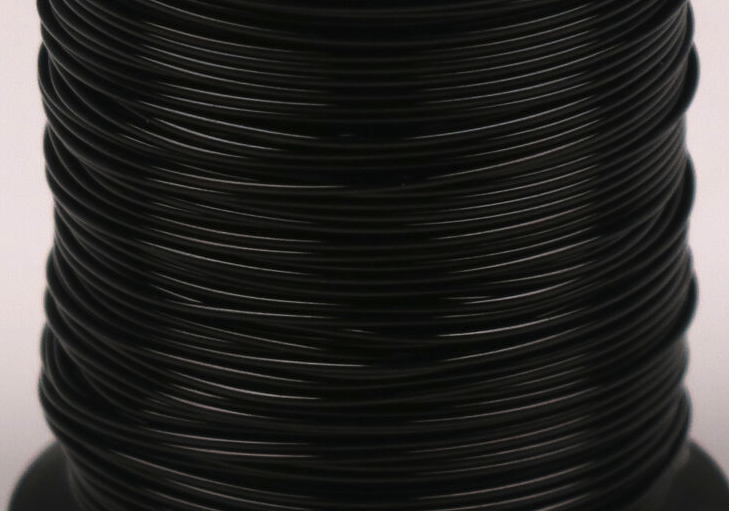
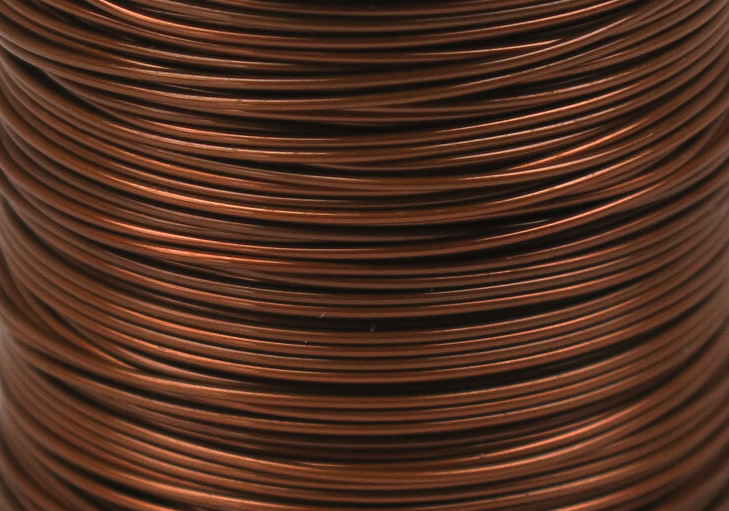
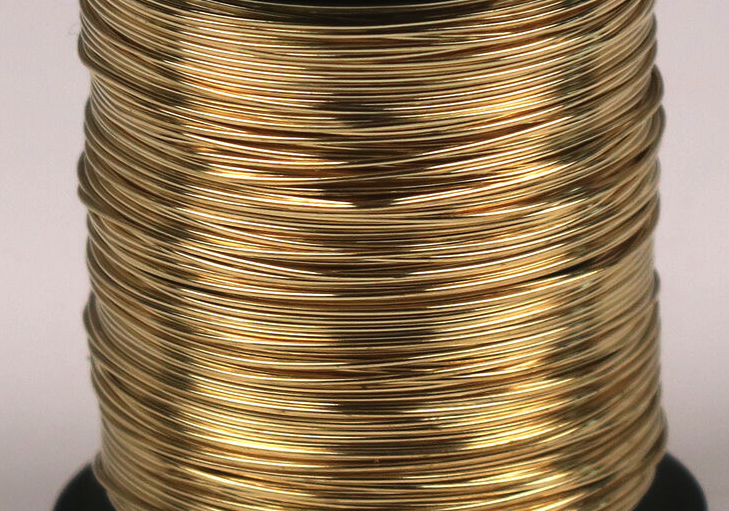
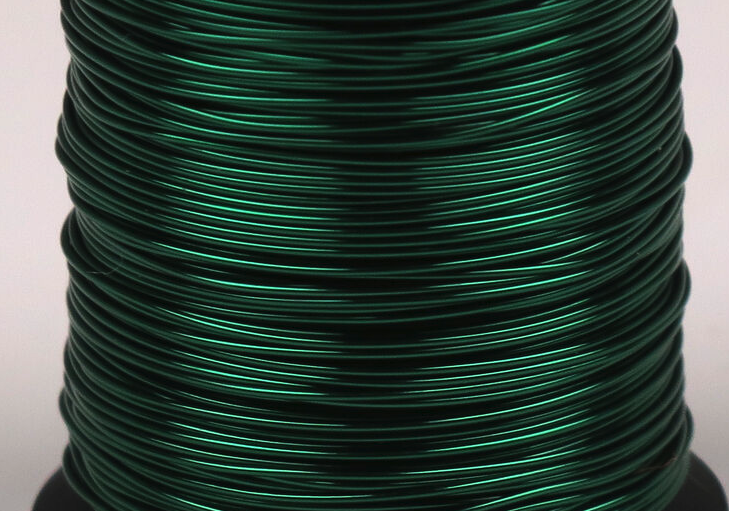
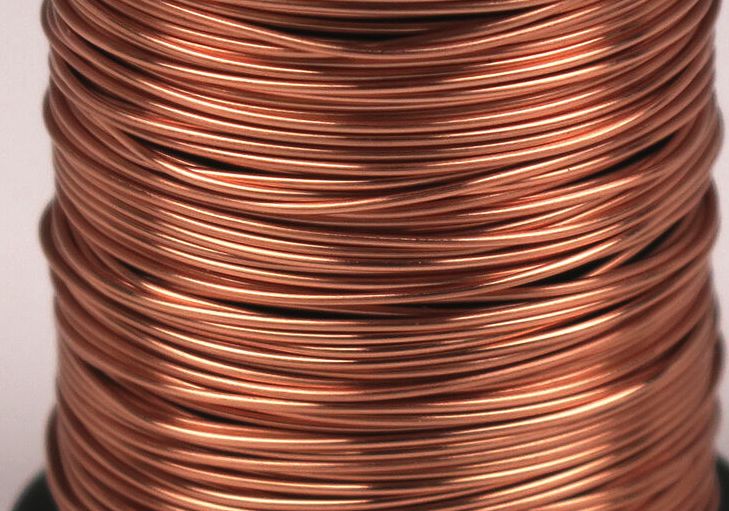
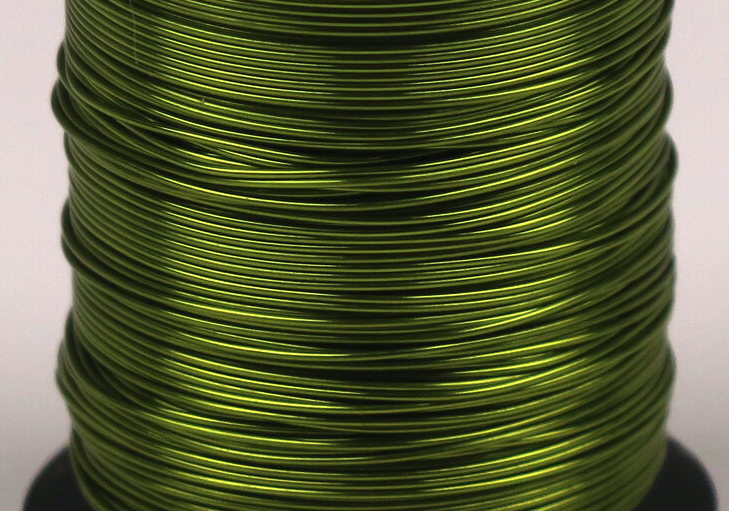
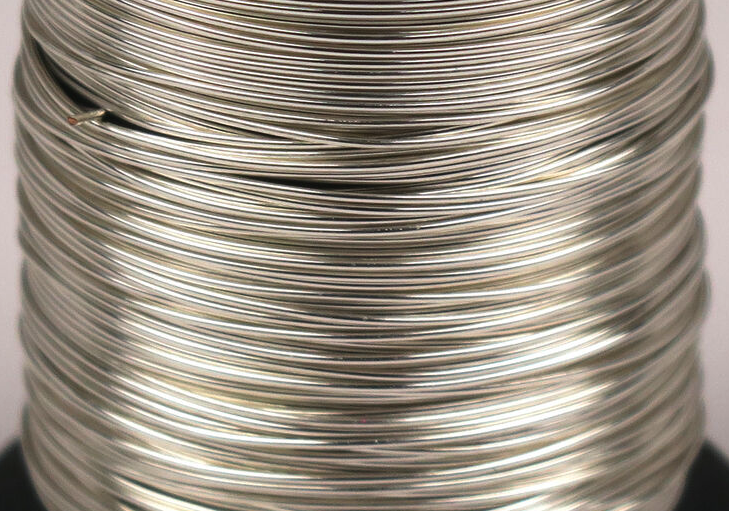
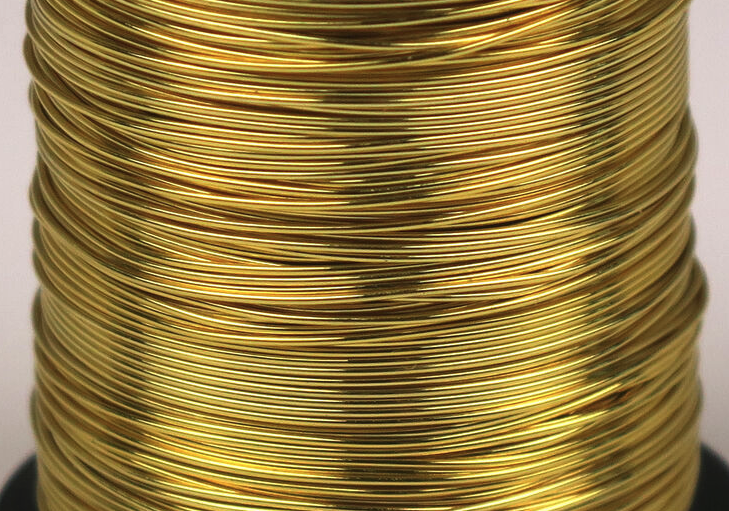
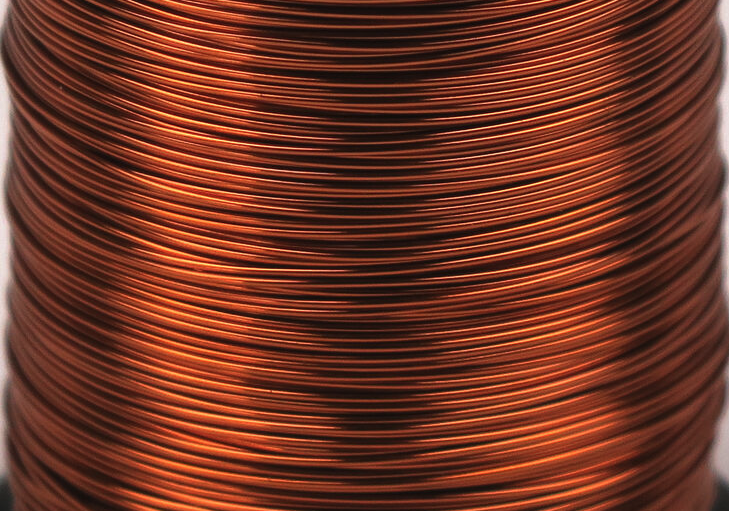
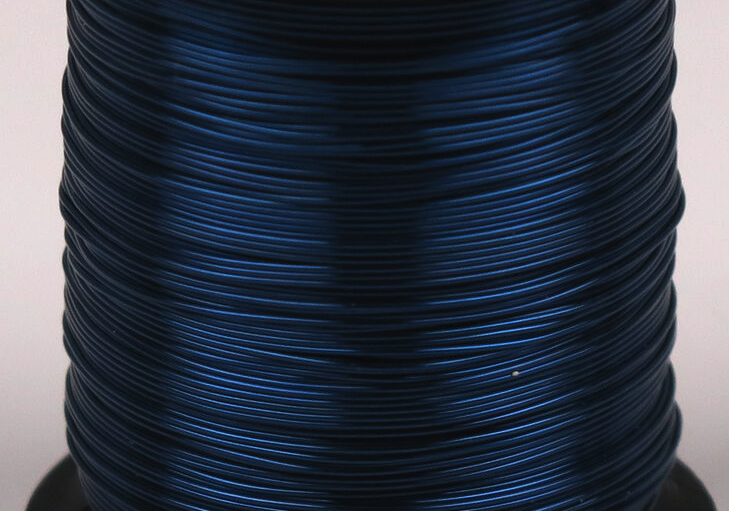
UNI-Soft Wire is an extra-flexible, non-tarnishing copper fly tying wire designed for smooth ribbing, easy wrapping, and clean body construction on nymphs, midges, wet flies, and small streamer patterns. Softer and more manageable than many standard tying wires, it wraps neatly around the hook shank and gives fly tyers excellent control when creating segmentation, flash, durability, and slim wire bodies.
Made from polished copper wire that retains its bright finish over time, UNI-Soft Wire is a great choice for tying patterns like Copper Johns, Brassies, Zebra Midges, ribbed nymphs, wet flies, and reinforced peacock herl bodies. It can also be used for direct dubbing on wire, wire underbodies, multi-color segmentation, and counter-wrapping delicate materials for added strength.
UNI-Soft Wire is easy to work with, clean to wrap, and incredibly versatile at the vise. Its softer feel makes it especially useful for small flies, fine ribbing, and detailed body work where stiffer wire can be harder to control. We like it for adding subtle weight, flash, segmentation, and durability without overbuilding the fly.
UNI-Soft Wire is ideal for tying:
Extra Small (.006") - Best for tiny midges, small emergers, and delicate ribbing on flies in the size 20–24 range.
Small (.008") - A great all-around size for standard nymphs, midge bodies, wet flies, and trout patterns in the size 16–20 range.
Medium (.011") - Useful for larger nymphs, Copper John-style bodies, stonefly ribbing, and more visible segmentation.
Large (.016") - Best for prominent ribbing, larger stonefly nymphs, bigger wire bodies, and patterns needing extra flash or weight.
Match the wire size to the hook and pattern. Use Extra Small for tiny midges, Small for most trout nymphs, and Medium or Large when you want a stronger rib, heavier body, or more visible segmentation.
For added durability, counter-wrap fine UNI-Soft Wire over peacock herl, hackle, or fragile body materials. To create segmented effects, twist two different wire colors together or alternate light and dark wraps. Avoid cutting wire with your tying scissors; instead, secure it with thread and use the helicopter technique by spinning the wire until it breaks cleanly.